We Watched a Predictable Problem Get Treated as an Emergency, Every Week
We built Knit because the data to prevent staffing crises already exists inside hospital systems. The problem is that no one is connecting it in time to act.
The Problem Was Hiding in Plain Sight
Jonathan and Priya came to Knit from work in hospital operations and healthcare data infrastructure. What they observed repeatedly was that short-staffing events that looked chaotic at 6 AM were actually visible in the data 36 hours earlier. Call-out patterns, census trends, and scheduling gaps were all there. Nobody was connecting them.
The scheduling system knew who was assigned. The EMR knew census was rising. Neither system talked to the other, and no one was modeling what the combination meant for shift coverage three shifts from now.
Knit was founded in 2024 to close that gap with a layer of operational intelligence that connects these signals and gives nursing leaders enough lead time to act through internal resources before agency spend becomes the only option.
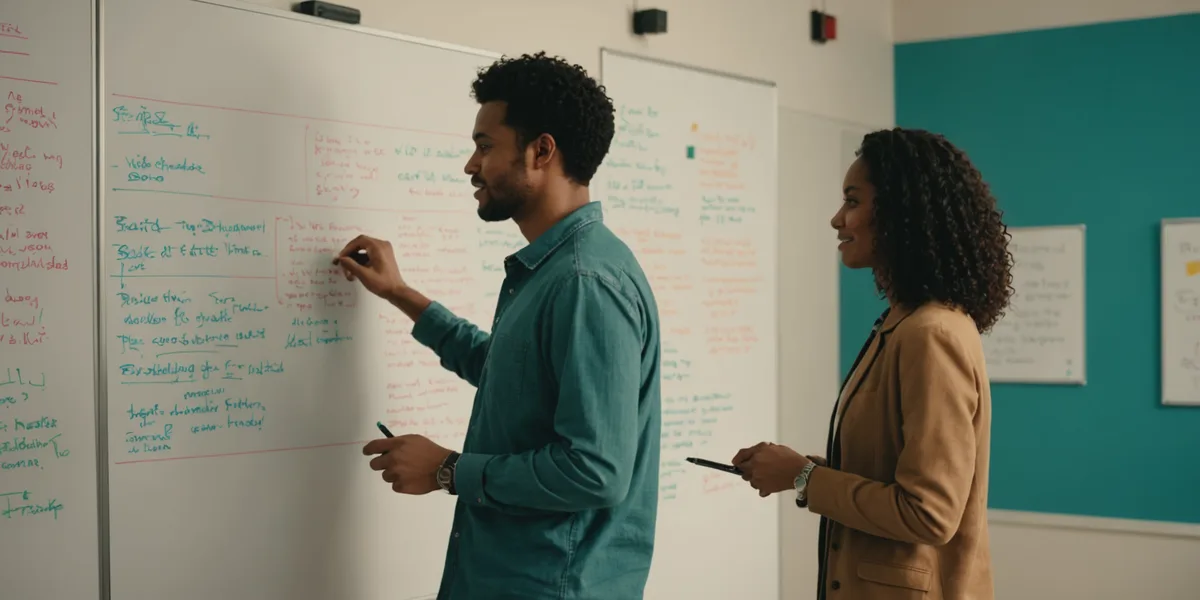
Built by People Who Understand Hospital Operations
We are a small team focused on a specific problem in a specific domain. We are not trying to rebuild scheduling software. We are building the intelligence layer on top of it.

Background in hospital operations technology and nursing labor analytics. Spent years building and deploying operations data products for clinical environments before co-founding Knit.

Years of experience building data pipeline infrastructure for clinical enterprise environments. Focused on time-series demand modeling and healthcare data integration architecture.

Spent years working directly with nursing leadership on operational capacity problems before moving into healthcare product management. Leads user research with nursing operations directors and drives the product roadmap.
Backed by Operators Who Know the Problem
We raised our angel round in April 2026 from a group of angel investors with backgrounds in health system operations, healthcare technology, and hospital labor management. We were deliberate about finding backers who understand the specific problem, not just the market category.
The $100,000 round funded initial integrations, our first deployment cohort, and product refinement based on real operational feedback.
Three Principles That Guide the Product
We prioritize information that changes decisions over information that looks complete. If an alert does not tell you what to do next, it is not useful. We design backward from the action, not forward from the data.
Every operational outcome we try to improve is a function of how much advance notice your team had. A platform that tells you about a gap at 5 AM is not much better than finding out at shift start. We optimize for lead time first, accuracy second.
Hospital operations teams are not looking for more workflow systems. Read-only connectors, no scheduling platform changes, no new charge nurse steps. We sit alongside what you already run, not on top of it.
We Are Early and Moving Fast
If you run nursing operations at a hospital and want to see whether your unit patterns show the gaps we think they do, we would like to show you. No slide deck, just your data.